Understanding CBD: What It Is and How It Works
1. The Basics of CBD Oil
Cannabidiol (CBD) is a naturally occurring compound found in the cannabis plant. Unlike its more famous counterpart, tetrahydrocannabinol (THC), CBD does not produce any psychoactive effects, which means it will not get you "high." Instead, CBD has gained attention for its potential therapeutic properties, particularly for its use in managing anxiety, pain, and inflammation. Notably, CBD oil is derived from hemp strains of cannabis, which contain low levels of THC.
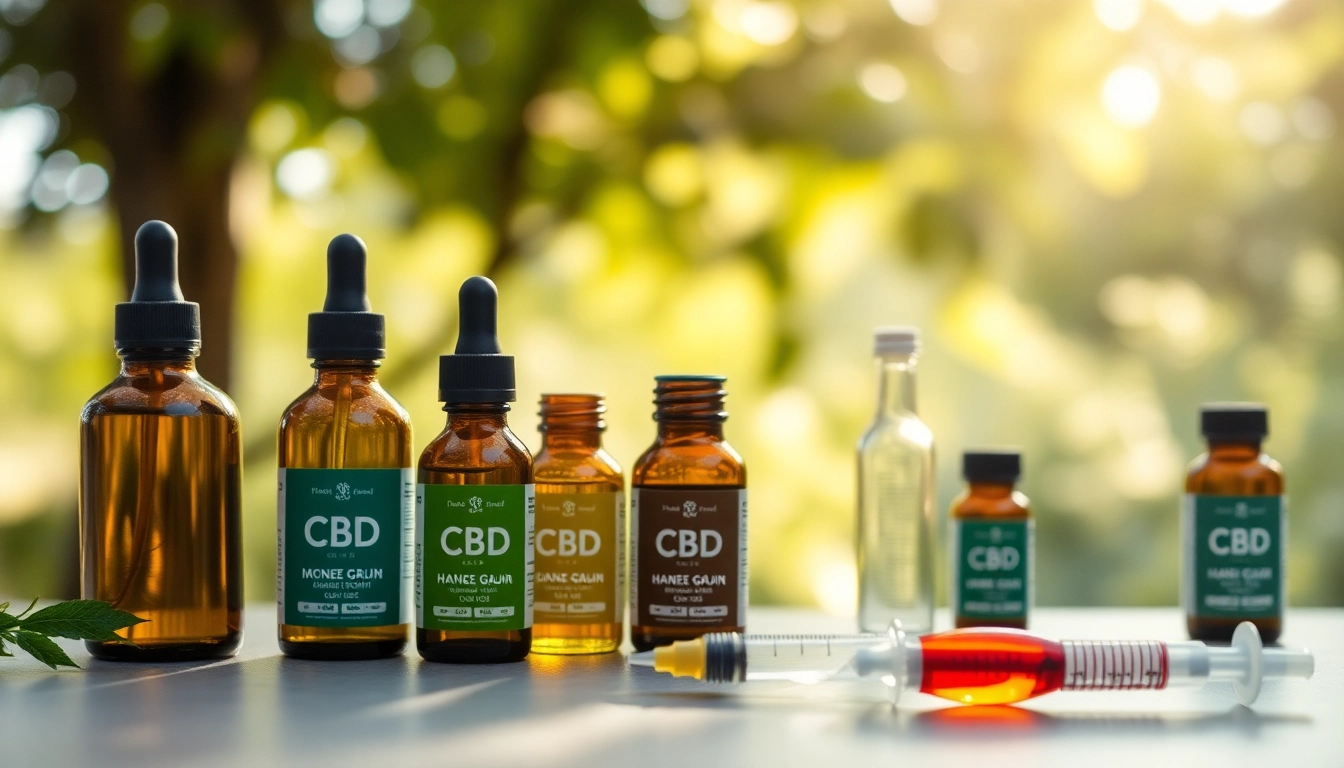
This oil is extracted from the flowers, leaves, and stalks of the hemp plant and can be consumed in various forms, such as tinctures, capsules, and edibles. Given the increasing interest in CBD, understanding its benefits, effects, and proper dosages becomes crucial for those looking to incorporate it into their wellness routines. For comprehensive information, refer to the CBD oil dosage guide.
2. How CBD Interacts with the Body
CBD interacts with the body primarily through the endocannabinoid system (ECS), a complex network of receptors naturally present throughout our bodies. The ECS plays a vital role in regulating numerous physiological processes, including mood, pain sensation, immune function, and sleep. It comprises two main types of receptors: CB1 receptors, mostly found in the brain and nervous system, and CB2 receptors, which are more prevalent in the immune system and peripheral tissues.
When CBD is ingested, it binds to these receptors, influencing the ECS and potentially leading to therapeutic effects. Through this interaction, CBD may help modulate the body’s response to stress, reduce anxiety, and alleviate chronic pain. These effects underscore the necessity of determining appropriate dosages to optimize benefits while minimizing any adverse effects.
3. Common Terminology in CBD Dosage
Understanding the terminology associated with CBD dosing is essential for effective use. Here are some key terms:
- Milligram (mg): The unit of measurement for the concentration of CBD in a product.
- Tincture: A liquid form of CBD that is often taken sublingually (under the tongue).
- Full-Spectrum CBD: Contains all cannabinoids present in the hemp plant, including trace amounts of THC.
- Isolate: Pure CBD without any other cannabinoids or compounds from the plant.
- Dosage: The amount of CBD taken by the user, usually quantified in milligrams.
Dosing Fundamentals: How to Determine Your CBD Oil Dosage
1. Factors Influencing CBD Dosage
When determining the appropriate CBD dosage, consider several factors:
- Body Weight: Larger individuals may require higher doses due to their body mass, while smaller individuals may find relief at lower doses.
- Metabolism: Individual metabolic rates can affect how quickly CBD is processed, altering the dose needed for effectiveness.
- Health Conditions: Specific conditions may necessitate different doses; for example, chronic pain may require more CBD than mild anxiety.
- Individual Tolerance: Everyone's body reacts differently; some may experience noticeable effects at lower doses, while others may need higher amounts.
- The Form of CBD: Different forms (oil, capsules, edibles) have varying bioavailability, which affects how much of the active ingredient enters the bloodstream.
2. Standard Dosage Guidelines
While each individual’s needs may vary, several standard guidelines can serve as a reference for dosing:
- Start Low and Go Slow: Begin with a low dose (5-10 mg) and gradually increase until desired effects are achieved.
- General Recommendations: A common starting point is 1-6 mg of CBD per 10 pounds of body weight. For example, a 150-pound person might start at 15-25 mg.
- Frequency: It’s advisable to take CBD consistently, whether it’s daily or several times a week, for optimal results.
3. Finding Your Ideal Dose: A Step-by-Step Approach
Finding the right dose can be a process of trial and error. Here’s a simplified approach to determine your ideal CBD oil dosage:
- Evaluate Your Needs: Identify why you want to use CBD. Is it for anxiety, pain relief, or another reason?
- Determine Your Starting Dose: Use the general guideline of 1-6 mg per 10 pounds of body weight for your initial amount.
- Monitor Your Response: After taking your initial dose, observe how you feel over the next few days. Make notes of any changes in symptoms or side effects.
- Adjust as Needed: Based on your observations, gradually adjust your dosage in small increments (e.g., 5 mg) until you find the effective amount.
- Consult with Healthcare Professionals: If unsure, seeking advice from a healthcare provider familiar with CBD can provide personalized guidance.
Administration Methods: How to Take CBD Oil
1. Sublingual vs. Ingestible CBD Oils
Choosing the method of administration can greatly affect how quickly and effectively CBD impacts the body. The two primary methods include sublingual and ingestible CBD oils.
Sublingual Administration: This method involves placing a few drops of CBD oil under the tongue, allowing it to absorb directly into the bloodstream. This approach leads to faster effects, usually within 15-30 minutes. It’s particularly useful for those seeking quick relief from anxiety or pain.
Ingestible CBD: CBD can also be consumed in capsule or edible forms. However, this method requires digestion, leading to slower onset times (typically 30 minutes to 2 hours). It’s ideal for those who prefer precise dosing and long-lasting effects.
2. Best Practices for Effective Dosage
To maximize the effectiveness of CBD oil, consider implementing the following best practices:
- Measure Accurately: Use the dropper provided with your product for precise measuring. Avoid guessing dosages.
- Timing is Key: Take CBD at the same time each day to help establish a routine.
- Stay Hydrated: Drinking water can aid absorption and help alleviate any mild digestive discomfort.
- Be Mindful of Food: Eating before consuming CBD may alter its effects, so be aware of how your body responds to different intake methods.
- Note Environmental Factors: Stress and lifestyle can influence how you perceive effects; maintain a consistent routine for more stable outcomes.
3. Combining CBD with Other Remedies
CBD can be used alongside other remedies to enhance benefits, but it’s essential to approach this carefully:
- Herbal Supplements: Certain herbs, like chamomile or valerian root, may complement CBD’s calming effects. However, check for potential interactions.
- Essential Oils: Using CBD with essential oils can foster relaxation. Aromatherapy can enhance a calming atmosphere.
- Mindfulness Practices: Incorporating yoga, meditation, or deep-breathing exercises can amplify CBD’s anxiety-reducing properties, creating a holistic wellness approach.
Safety and Side Effects: What You Should Know
1. Common Side Effects of CBD
While most users tolerate CBD well, some may experience side effects, including:
- Fatigue: Excessive doses may lead to drowsiness or fatigue.
- Dry Mouth: A common side effect of CBD, ensure adequate hydration to combat this discomfort.
- Changes in Appetite: CBD can influence appetite, either increasing or decreasing it.
- Diarrhea: High doses may cause gastrointestinal disturbances in some individuals.
2. Who Should Avoid CBD?
Certain populations should exercise caution or avoid CBD entirely:
- Individuals who are pregnant or breastfeeding should consult their healthcare provider.
- Those with liver conditions or who are taking medications that affect liver enzymes may also need to steer clear.
- People with known allergies to cannabis should avoid CBD products to prevent allergic reactions.
3. Interactions with Other Medications
CBD can interact with certain medications, especially those that come with a warning for grapefruit juice. These medications are metabolized through the same liver enzymes as CBD.
Consulting with a healthcare provider before starting CBD, especially if you're taking other medications, ensures safe use and effective dosing strategies.
Frequently Asked Questions about CBD Oil Dosage
1. How do I start with CBD oil dosage?
Start low with a dosage of 5-10 mg, gradually increasing based on your body's response until you find the optimal amount for your needs.
2. Is there a universal CBD dosage?
No universal dosage exists, as ideal amounts vary based on individual factors such as weight, metabolism, and health conditions.
3. Can I adjust my dosage over time?
Yes, adjusting your dosage over time based on your body's needs and responses is common and recommended.
4. What to do if I experience side effects?
If side effects occur, reduce your dosage or discontinue use. Consult a healthcare provider for guidance if symptoms persist.
5. Are there any regulations on CBD dosage?
While there are no universal regulations specifically for dosages, it’s essential to source products from reputable manufacturers that comply with local laws and safety standards.