
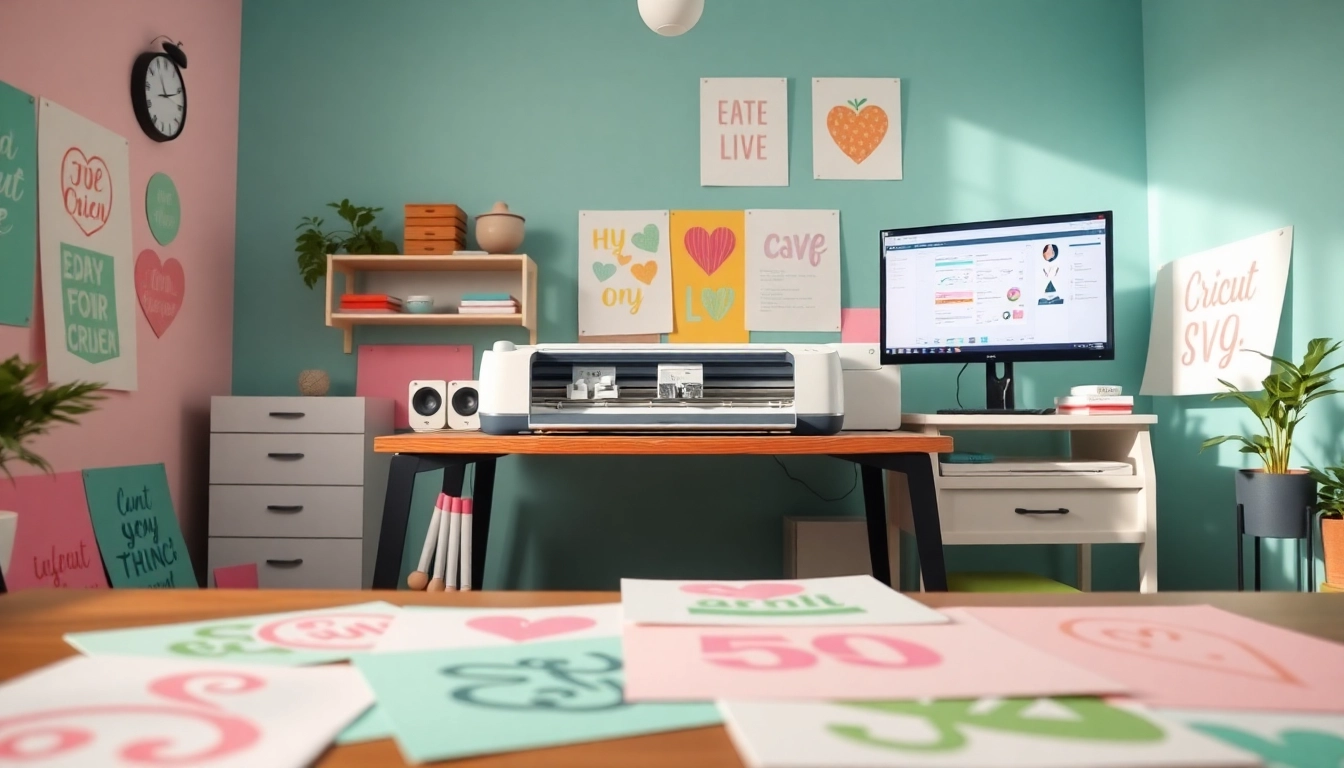
The Basics of Cricut SVG Files
For crafting enthusiasts, the term “Cricut SVG” has become synonymous with creativity and innovation. SVG, or Scalable Vector Graphics, is a file format that allows crafters to create smooth, high-quality designs that can be scaled to any size without losing clarity. Understanding the role of SVG files in the Cricut ecosystem is essential for anyone looking to maximize their crafting potential. With the right tools and knowledge, you can craft personalized items, from home décor to custom apparel. When exploring options, Cricut SVG provides comprehensive insights into the capabilities of SVG files and how they can enhance your projects.
Understanding SVG Files and Their Importance
SVG files are widely used in crafting due to their versatility and precision. Unlike raster images (like JPGs or PNGs), SVG files use mathematical formulas to define shapes, allowing them to be resized indefinitely without distortion. This quality is particularly beneficial for cutting machines like the Cricut, which rely on precise designs to create intricate patterns in materials such as vinyl, cardstock, and fabric. SVG files can incorporate various design elements like shapes, lines, and colors, granting crafters limitless possibilities in their creations.
Key Features of Cricut SVG Designs
Cricut SVG designs come with several key features that make them ideal for crafting:
- Scalability: SVG files can be resized without losing quality, allowing for various projects.
- Editability: Users can modify SVG files easily with design software, changing colors, shapes, and sizes to fit specific needs.
- Layering: SVG files support multiple layers, enabling users to create complex designs by stacking shapes and colors.
- Compatibility: SVG files are compatible with various cutting machines, including different Cricut models and other popular brands.
Common Uses for Cricut SVGs in Crafting
Crafters use Cricut SVG files for various applications, reflecting the versatility of this file format. Common uses include:
- Custom T-Shirts: Create personalized apparel with unique designs that reflect individual style.
- Home Décor: Design wall art, decals, and signs to enhance your living space.
- Cards and Invitations: Craft personalized greeting cards and event invitations for any occasion.
- Scrapbooking: Incorporate intricate SVG designs into scrapbooks for added flair and visual interest.
Getting Started with Cricut SVGs
Getting started with Cricut SVGs is an exciting journey that opens a world of creative possibilities. For beginners, understanding where to find high-quality SVG files is crucial. With numerous options available online, selecting the right platform can save time and enhance your crafting experience.
How to Find Quality Cricut SVG Files
Finding quality Cricut SVG files can be challenging with the vast number of options online. Here are several reputable sources to consider:
- Cricut Design Space: A trusted platform that offers a wide array of premium SVG files compatible with Cricut machines.
- Design Bundles: An excellent resource for free and paid SVG files, often featuring unique designs from independent creators.
- Etsy: A marketplace where you can find custom SVG files made by various designers, perfect for niche craft projects.
- HelloSVG: A site dedicated to providing free SVG files for a range of crafting projects.
Step-by-Step Guide to Downloading Cricut SVGs
Downloading Cricut SVG files is a straightforward process. Follow these steps to ensure you obtain your designs correctly:
- Visit your chosen source for SVG files.
- Search or browse for the specific design you want.
- Add the selected SVG to your cart (if applicable) and proceed to checkout.
- Once purchased, download the file, which is usually provided as a .zip folder.
- Unzip the folder to access your SVG file, and it's ready for use in Cricut Design Space.
Best Practices for Organizing Your SVG Collection
As your collection of Cricut SVGs grows, proper organization becomes vital for efficiency. Here are some best practices for maintaining your SVG library:
- Create Folders: Organize SVG files into folders based on categories such as themes, holidays, or project types.
- File Naming Conventions: Use descriptive file names to easily identify the content of your SVG files.
- Backup Your Files: Regularly back up your SVG collection on external drives or cloud storage to prevent loss.
- Use Tags: If your computer allows it, utilize tags to make searching for specific files quicker and more intuitive.
Creating Your Own Cricut SVG Designs
In addition to using pre-made SVGs, crafting your own designs can elevate your projects to a more personalized level. This process is rewarding and allows for complete creative freedom.
Tools and Software for Designing SVGs
Several tools and software programs can assist you in creating your own Cricut SVG designs. Popular options include:
- Adobe Illustrator: A professional graphic design software that supports SVG file creation and editing.
- Inkscape: A free, open-source vector graphic design tool ideal for beginners.
- Silhouette Studio: Although designed primarily for Silhouette users, it also allows exporting designs as SVG files.
- Canva: While primarily a 2D design tool, Canva allows exporting designs in SVG format with a premium account.
Tips for Crafting Unique Cricut SVGs
To craft truly unique Cricut SVGs, consider the following tips:
- Inspiration: Draw inspiration from nature, patterns, or current trends to create one-of-a-kind designs.
- Experiment: Play with different shapes, colors, and layering techniques to develop intricate designs.
- Learn from Others: Join crafting communities to share ideas and gain insights from fellow crafters.
- Testing: Always test your designs on scrap materials to ensure they cut correctly before moving on to your final project.
Common Mistakes to Avoid When Designing
While embarking on your SVG designing journey, avoid these common pitfalls:
- Too Much Detail: Overly intricate designs may not cut well, especially on smaller machines.
- Neglecting Cut Settings: Always adjust your machine’s cut settings to match the material you are using.
- Ignoring File Formats: Ensure you save your designs as SVG before uploading them to Cricut Design Space.
- Not Testing: Failing to test your designs can lead to wasted material and frustration.
Advanced Techniques for Cricut SVG Crafting
Once you're comfortable with the basics of Cricut SVGs, diving into advanced techniques can further enhance your crafting skills and project outcomes.
Utilizing Layering in Your SVG Projects
Layering is a powerful technique in Cricut crafting. It allows you to create depth and dimension in your designs. Here’s how to make the most of layering:
- Color Coordination: Use complementary colors for different layers to create striking visual effects.
- Material Choices: Combine various materials such as vinyl, paper, and fabric to enhance the texture of your projects.
- Shadow Effects: Create shadow layers behind your main design for added impact.
Combining SVG Files for Complex Designs
Combining multiple SVG files into one project can yield stunning results. To successfully merge designs, follow these steps:
- Open Multiple SVGs: Import all desired SVG files into your design software.
- Arrange Elements: Position the elements as desired, ensuring they work harmoniously together.
- Group Layers: Group layers to manage them easily within your software before exporting.
Exploring New Trends in Cricut SVG Crafting for 2026
Crafting trends change rapidly, and staying updated can keep your projects fresh and engaging. This year, consider incorporating the following trends into your Cricut SVG crafting:
- Eco-Friendly Materials: Utilize sustainable materials for your projects and seek out SVG designs that reflect environmental awareness.
- Bold Typography: Experiment with bold font designs that make statements in your crafting.
- 3D Designs: Explore creating more complex, three-dimensional projects that go beyond basic layering techniques.
- Personalization: Offer custom designs tailored to specific clients or themes, enhancing the personal connection to each piece.
Troubleshooting and Optimization
Despite careful planning and execution, you may encounter challenges while working with Cricut SVGs. Understanding common issues and their solutions can help streamline your crafting experience.
Common Issues with Cricut SVG Projects and Fixes
Some common problems crafters face include:
- Poor Cuts: Ensure the blade is sharp and the cut settings match your material type.
- Design Not Cutting Properly: Check for hidden layers or incorrect groupings in your SVG file.
- Material Shifting: Secure your material with a strong adhesive or use a gripping mat to prevent movement during cutting.
Optimizing SVG Files for Cutting Machines
Optimizing your SVG files can improve cutting efficiency and accuracy. Here are some optimization tips:
- Simplify Paths: Reduce the complexity of your SVG by minimizing the number of points and curves.
- Check for Compatibility: Ensure that your SVG file is compatible with the specific model of your Cricut machine.
- Reduce File Size: Compress your SVG files when necessary to facilitate smoother operation in design software.
Measuring Success: Metrics for Your Cricut SVG Crafts
To gauge the effectiveness of your Cricut SVG projects, consider the following metrics:
- Time Efficiency: Track how long it takes to complete a project and see if you can streamline processes.
- Material Usage: Monitor waste to improve material efficiency and reduce costs.
- Customer Feedback: If you sell your crafts, listen to customer feedback for insights on how to improve your offerings.