
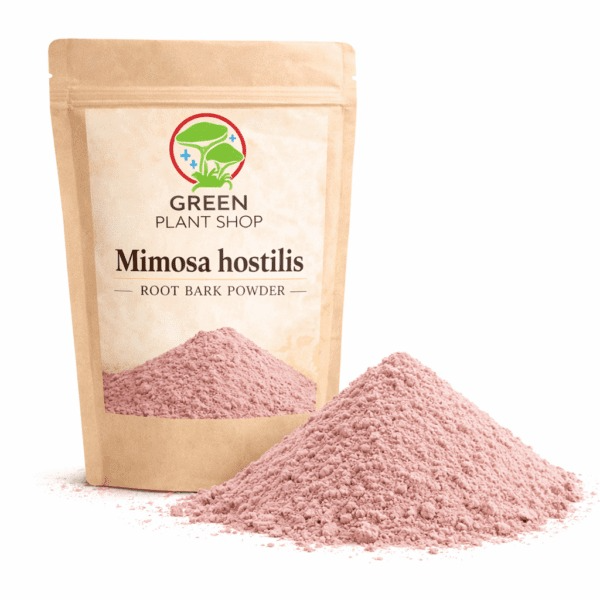
Mimosa Hostilis Root Bark has a long and fascinating place in the cultural history of northeastern Brazil and neighboring regions. Mimosa Hostilis Root Bark , commonly associated with the botanical name Mimosa tenuiflora, has traditionally been valued by local communities for its plant-based properties and practical applications. Across generations, Mimosa Hostilis Root Bark has appeared in discussions of traditional knowledge, natural materials, regional plant use, and Indigenous cultural practices. Understanding this history requires looking beyond modern commercial interest and considering the communities, landscapes, and traditions connected with this resilient tree.
The Botanical Origins of Mimosa Hostilis Root Bark
Mimosa Hostilis is a thorny tree belonging to the legume family, Fabaceae. It is particularly associated with dry and semi-arid environments in northeastern Brazil, although related populations and botanical classifications extend across parts of Central and South America.
The tree is well adapted to challenging landscapes. Its ability to survive periods of limited rainfall has made it an important component of local ecosystems. Traditionally, communities have recognized different parts of the plant as useful natural resources.
The term Mimosa Hostilis Root Bark refers specifically to the bark found around the roots of the tree. Historically, plant materials from Mimosa species have been gathered according to local knowledge concerning identification, preparation, and practical use.
Traditional Knowledge and Plant Identification
Traditional botanical knowledge is often passed through families and communities rather than written records. People familiar with regional vegetation may recognize plants through their leaves, bark, flowers, growth patterns, habitat, and seasonal behavior.
Mimosa Hostilis Root Bark became part of this broader tradition of recognizing useful native plants. Such knowledge reflects a close relationship between people and their surrounding environment, particularly in regions where naturally occurring plants have historically supplied materials for household and cultural purposes.
Cultural Importance in Northeastern Brazil
Northeastern Brazil has a diverse history of Indigenous communities, rural populations, Afro-Brazilian traditions, and ecological knowledge. The semi-arid Caatinga biome, where Mimosa tenuiflora naturally occurs, has influenced the development of many traditional approaches to plants and natural resources.
Mimosa Hostilis Root Bark is particularly interesting because the tree has been associated with practical uses involving its woody material and bark. Traditional knowledge surrounding the plant demonstrates how communities adapted available botanical resources to local environmental conditions.
Rather than viewing the plant only as a commercial botanical product, its cultural history can be understood as part of a larger story about biodiversity, survival, craftsmanship, and traditional ecological knowledge.
Relationship With the Caatinga Environment
The Caatinga is one of Brazil's distinctive ecosystems. Its dry climate, seasonal rainfall, and specialized vegetation have encouraged communities to develop detailed knowledge of drought-resistant plants.
Mimosa Hostilis Root Bark comes from a tree that demonstrates remarkable adaptation to these conditions. Its ability to regenerate and tolerate difficult environments contributes to its ecological importance.
Traditional plant knowledge in such environments often involves understanding when plants grow, where they occur, and how natural materials can be collected without unnecessarily damaging surrounding vegetation.
Historical Uses of the Tree and Its Bark
Historical references to Mimosa tenuiflora describe several practical uses of the plant. Communities have used portions of the tree for materials, including wood and bark, while the plant has also been associated with traditional preparations.
Mimosa Hostilis Root Bark has attracted particular attention because bark was historically recognized as a useful natural material. Its traditional significance should, however, be separated from modern interpretations and commercial claims that may not accurately represent historical practices.
Traditional botanical knowledge is diverse, and practices can differ significantly between communities. Consequently, it is more accurate to describe the historical relationship with the plant broadly rather than assuming that every community used Mimosa Hostilis Root Bark in exactly the same way.
Indigenous and Regional Botanical Knowledge
Indigenous knowledge systems often involve detailed observations of plant behavior, ecological relationships, and seasonal cycles. In South America, these traditions have contributed substantially to humanity's broader understanding of tropical and subtropical vegetation.
Mimosa Hostilis Root Bark is part of this wider botanical story. Knowledge about identifying the tree and understanding its natural habitat developed within landscapes where communities depended on local biodiversity.
Oral Traditions and Cultural Transmission
Much traditional knowledge is transmitted orally. Elders, family members, healers, craftspeople, and experienced gatherers may pass information from one generation to another.
This form of knowledge can include plant names, habitat recognition, harvesting periods, preparation methods, and cultural meanings. The history of Mimosa Hostilis Root Bark should therefore be considered within this broader context of oral ecological traditions.
Mimosa Hostilis Root Bark in Modern Botanical Interest
During the twentieth and twenty-first centuries, interest in South American plants expanded internationally. Botanical researchers, ethnobotanists, natural-product enthusiasts, and commercial suppliers increasingly discussed Mimosa tenuiflora and its various plant materials.
Mimosa Hostilis Root Bark subsequently became known beyond its traditional geographic context. Online marketplaces and botanical communities contributed to its international visibility, sometimes presenting the plant primarily as a commodity rather than as part of a living cultural and ecological tradition.
This shift creates an important distinction between historical use and modern demand. Studying the plant responsibly means recognizing its cultural background while avoiding unsupported claims about traditional practices.
Sustainable Harvesting and Cultural Respect
Modern interest in traditional plants raises questions about sustainability. Responsible sourcing begins with accurate botanical identification, knowledge of local ecosystems, and consideration of how harvesting affects mature trees and natural populations.
Mimosa Hostilis Root Bark should not be treated as an unlimited natural resource. Harvesting practices can influence plant health, soil stability, habitat quality, and regeneration.
Protecting Traditional Knowledge
Cultural knowledge deserves respect alongside biological resources. Ethical approaches to botanical trade should acknowledge the communities that have historically maintained knowledge about native plants.
Sustainable sourcing can include traceability, responsible land management, appropriate harvesting methods, and support for local communities. These principles help connect modern botanical interest with long-term environmental stewardship.
Distinguishing History From Modern Claims
One challenge in researching Mimosa Hostilis Root Bark is the large amount of information available online. Some sources combine historical information with modern commercial descriptions, while others make broad claims without identifying reliable historical evidence.
A careful approach separates documented cultural history from speculation. The plant's botanical identity, geographic distribution, traditional material uses, and ecological characteristics can be discussed independently from contemporary claims.
Mimosa Hostilis Root Bark has a meaningful history as part of regional botanical knowledge, but that history should be represented accurately and without exaggeration.
Why Its Cultural History Still Matters
Learning about Mimosa Hostilis Root Bark provides an opportunity to explore the relationship between people, plants, and landscapes. Its story connects botanical science with Indigenous knowledge, rural traditions, ecological adaptation, and modern conservation concerns.
The history also demonstrates why plants should not be viewed only through their commercial value. A species can have ecological importance, cultural associations, and practical applications simultaneously.
Mimosa Hostilis Root Bark therefore represents more than a botanical material. Its story is connected to the dry forests of northeastern South America and to generations of people who developed knowledge of the plants around them.
Frequently Asked Questions
1. What is Mimosa Hostilis Root Bark?
Mimosa Hostilis Root Bark refers to the bark from the roots of Mimosa tenuiflora, a tree native to parts of Central and South America, particularly northeastern Brazil.
2. Where does Mimosa Hostilis naturally grow?
The species is strongly associated with northeastern Brazil and the Caatinga biome. It is adapted to warm, seasonally dry environments and can tolerate challenging growing conditions.
3. Why is Mimosa Hostilis Root Bark historically important?
Its importance comes from the broader traditional knowledge surrounding Mimosa tenuiflora and the use of its natural materials. Historical relationships with the plant are connected to regional ecological knowledge and practical applications.
4. Is traditional knowledge about the plant the same everywhere?
No. Traditional plant practices vary between communities and regions. Historical descriptions should not be generalized to every Indigenous or local population.
5. How can people approach its cultural history responsibly?
Research should distinguish documented history from modern claims, recognize Indigenous and regional knowledge, and consider biodiversity conservation and sustainable botanical sourcing.
Conclusion
The cultural history of Mimosa Hostilis Root Bark is closely connected with Mimosa tenuiflora, northeastern South America, and the ecological knowledge developed around the Caatinga landscape. From traditional recognition of useful native plants to modern botanical interest, the story reflects a continuing relationship between people and biodiversity. Exploring Mimosa Hostilis Root Bark through a historical and ecological perspective offers a more balanced understanding of the plant while emphasizing responsible sourcing, cultural respect, accurate research, and conservation.