The Importance of Quality Salvia Divinorum Cuttings
When it comes to cultivating Salvia Divinorum, understanding the quality and type of cuttings available is crucial for success. Salvia Divinorum cuttings are the most common way to propagate this unique plant, primarily due to its vegetative reproduction capabilities. This article will provide clear insights into what Salvia Divinorum cuttings are, the importance of genetic integrity, and how to distinguish quality cuttings during your purchasing journey. For a comprehensive understanding, exploring Salvia Divinorum cuttings offers vital information that can help guide your decision-making.
What Are Salvia Divinorum Cuttings?
Salvia Divinorum cuttings are sections of the salvia plant stem that are taken from healthy, mature plants and used to grow new individuals. This method of propagation enables gardeners and enthusiasts to ensure that the new plants maintain the same genetic traits as the parent plant. Unlike seeds, which can introduce variability and unexpected outcomes, cuttings provide a way to replicate specific characteristics such as size, flavor, and potency. The cuttings are typically 4 to 6 inches long and should ideally be taken from non-flowering stems to increase the chances of successful rooting.
Understanding the Genetic Integrity in Cuttings
The genetic integrity of Salvia Divinorum cuttings is paramount. Each cutting retains the genetic information of its parent plant, which is important for maintaining the specific qualities that users seek. When cuttings are taken from healthy plants, they embody the vigor and traits desired in the new plants. Understanding the source of these cuttings can help buyers assess their quality. Always inquire about the parent plant’s health and the conditions under which the cuttings were taken.
How to Identify Quality Cuttings for Purchase
Identifying high-quality Salvia Divinorum cuttings requires a keen eye and a bit of knowledge. Look for cuttings that are healthy, with vibrant green leaves and firm stems. They should have no signs of wilting, discoloration, or disease. It's beneficial to buy from reputable suppliers who specialize in Salvia Divinorum and can provide information on their propagation methods. Consider asking about the parent plants' growth conditions and whether the cuttings were taken with care to preserve their genetic integrity.
Common Misconceptions About Salvia Divinorum Propagation
The propagation of Salvia Divinorum through cuttings is sometimes misunderstood, leading to several misconceptions that can hinder successful growth. This section aims to clarify these misunderstandings, helping both seasoned growers and newcomers gain a clearer perspective on this fascinating plant.
Cuttings vs. Seeds: What You Need to Know
Many enthusiasts wonder whether to start their Salvia Divinorum journey with cuttings or seeds. While seeds offer the potential for genetic diversity, Salvia Divinorum rarely produces viable seeds under average growing conditions, making cuttings the preferred method for most growers. Cuttings ensure that the new plants will have the same properties as the parent plants, whereas seed-grown plants may exhibit unexpected traits. For those interested in consistent results, cuttings are the way to go.
Why Some Believe Cuttings Are Less Effective
Some misconceptions suggest that cuttings yield inferior plants compared to seed-grown specimens. This belief stems from a misunderstanding of the propagation process. In fact, cuttings can produce robust, healthy plants that often outperform seed-grown varieties due to the genetic consistency maintained through this method. Moreover, cuttings typically root more quickly than seeds germinate, leading to faster growth and earlier harvesting.
Debunking Myths Around Propagation Techniques
There are numerous myths regarding the propagation techniques for Salvia Divinorum. One common myth is that cuttings are difficult to root. In reality, with proper care—such as utilizing a rooting hormone and maintaining humidity—cuttings can successfully develop roots. Another myth suggests that any stem from a Salvia plant can be rooted. However, it is crucial to select healthy, specific non-flowering stems to enhance the likelihood of successful rooting.
How to Successfully Grow Salvia Divinorum from Cuttings
Growing Salvia Divinorum from cuttings can be a rewarding experience if followed correctly. The following steps outline the essential processes and conditions required for successful propagation.
Essential Steps for Preparing Cuttings
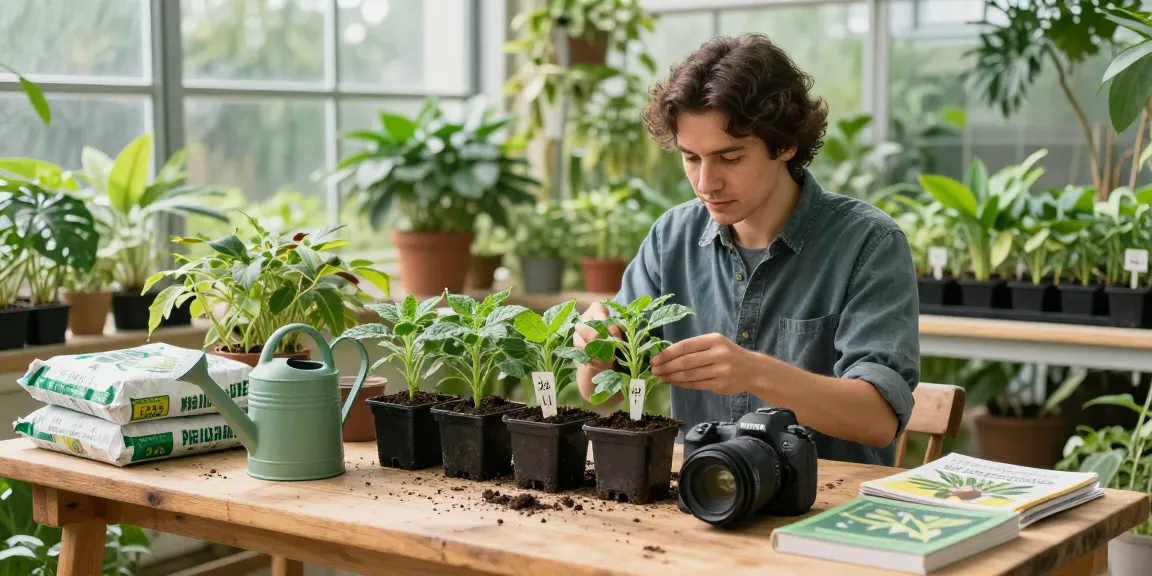
To prepare Salvia Divinorum cuttings, begin by selecting healthy stems from the parent plant. Cut them at an angle to create a larger surface area for rooting and remove the lower leaves to prevent rot. For best results, consider dipping the cut ends in rooting hormone, which can enhance root development. Place the cuttings in a propagation medium—such as moist soil or water—and ensure they are kept in a warm, humid environment.
Optimal Growing Conditions for Successful Rooting
Creating optimal growing conditions is crucial for rooting Salvia Divinorum cuttings. They thrive in bright, indirect sunlight, with a temperature range between 70°F and 80°F (21°C to 27°C). Maintaining humidity is vital, so consider covering the cuttings with a plastic dome or bag to create a greenhouse effect, which helps retain moisture. Regularly mist the cuttings to keep the humidity levels consistent without oversaturating the soil.
Common Errors to Avoid During Propagation
While growing from cuttings is relatively straightforward, there are common mistakes that can lead to failure. Avoid using cuttings from flowering stems, as they are less likely to root. Neglecting watering needs, either by over or underwatering, can lead to poor root development. Additionally, exposing cuttings to direct sunlight too soon can cause stress. Patience and attentiveness to environmental conditions will yield the best results.
Where to Buy Reliable Salvia Divinorum Cuttings
Finding reliable sources for purchasing Salvia Divinorum cuttings can be daunting, with many online and local options available. This section highlights how to identify reputable suppliers and the pros and cons of each sourcing method.
Identifying Reputable Suppliers Online
When searching for Salvia Divinorum cuttings online, it is essential to choose suppliers known for their reliability and transparency. Look for companies that provide detailed descriptions of their products, including information on their propagation techniques and the health of their parent plants. Customer reviews and testimonials also play a crucial role in assessing a supplier's credibility.
Local vs. Online: Pros and Cons of Sourcing
Purchasing locally allows for immediate inspection of the cuttings and a chance to ask questions directly from the supplier. However, availability may be limited. On the other hand, online suppliers often offer a wider selection and the convenience of home delivery, although this may come with the risk of receiving subpar products. Weighing these pros and cons can help you make an informed decision based on your specific needs.
Understanding Pricing and Quality Indicators
Pricing for Salvia Divinorum cuttings varies widely based on quality, supplier, and region. High-quality cuttings should not be excessively cheap but should reflect the care and expertise in their propagation. Always assess quality indicators such as stem thickness, leaf vitality, and overall health. Investing in quality cuttings often leads to a more fruitful and satisfying growing experience.
Future Trends in Salvia Divinorum Cultivation (2026 and Beyond)
The landscape of Salvia Divinorum cultivation is evolving, driven by emerging research and advancements in propagation techniques. This section explores what the future might hold for enthusiasts and growers alike.
Emerging Research on Salvia Divinorum Benefits
As interest in Salvia Divinorum continues to grow, so does research into its unique properties. Studies on its effects, medicinal potential, and benefits for mental health are ongoing. This increased scientific scrutiny could pave the way for new applications and uses for Salvia Divinorum beyond its current cultural and recreational contexts.
Innovations in Plant Propagation Techniques
Innovations in plant propagation, including tissue culture and advanced rooting techniques, are set to enhance the cultivation of Salvia Divinorum. These advancements may lead to more consistent results and quicker growth rates, appealing to both commercial growers and hobbyists looking for reliable propagation methods.
Market Trends in Salvia Divinorum Products
The market for Salvia Divinorum products, including cuttings, extracts, and dried leaves, is expected to expand as awareness increases. This growth will likely encourage better standards of quality and ethical sourcing practices, benefiting both consumers and the environment.
What are the best practices for propagating Salvia Divinorum cuttings?
Best practices for propagating Salvia Divinorum cuttings include selecting healthy stems, using rooting hormone, and maintaining humidity. Proper lighting and temperature are equally important for successful rooting.
How long does it take for Salvia Divinorum cuttings to root?
Typically, Salvia Divinorum cuttings can take anywhere from two to four weeks to develop roots, depending on the conditions provided and the health of the cuttings.
Where can I find the best Salvia Divinorum cuttings for sale?
The best Salvia Divinorum cuttings can often be found through reputable online suppliers that prioritize quality and transparency, as well as local plant nurseries specializing in unique botanicals.
Are Salvia Divinorum cuttings difficult to care for?
Salvia Divinorum cuttings are not particularly difficult to care for, but they do require specific conditions, such as humidity and temperature control, to thrive. With proper care, they can flourish and grow into vibrant plants.
What is the ideal environment for growing Salvia Divinorum from cuttings?
The ideal environment for growing Salvia Divinorum from cuttings includes bright, indirect sunlight, a temperature range of 70°F to 80°F, and high humidity levels. Maintaining these conditions will help ensure a successful rooting process.