
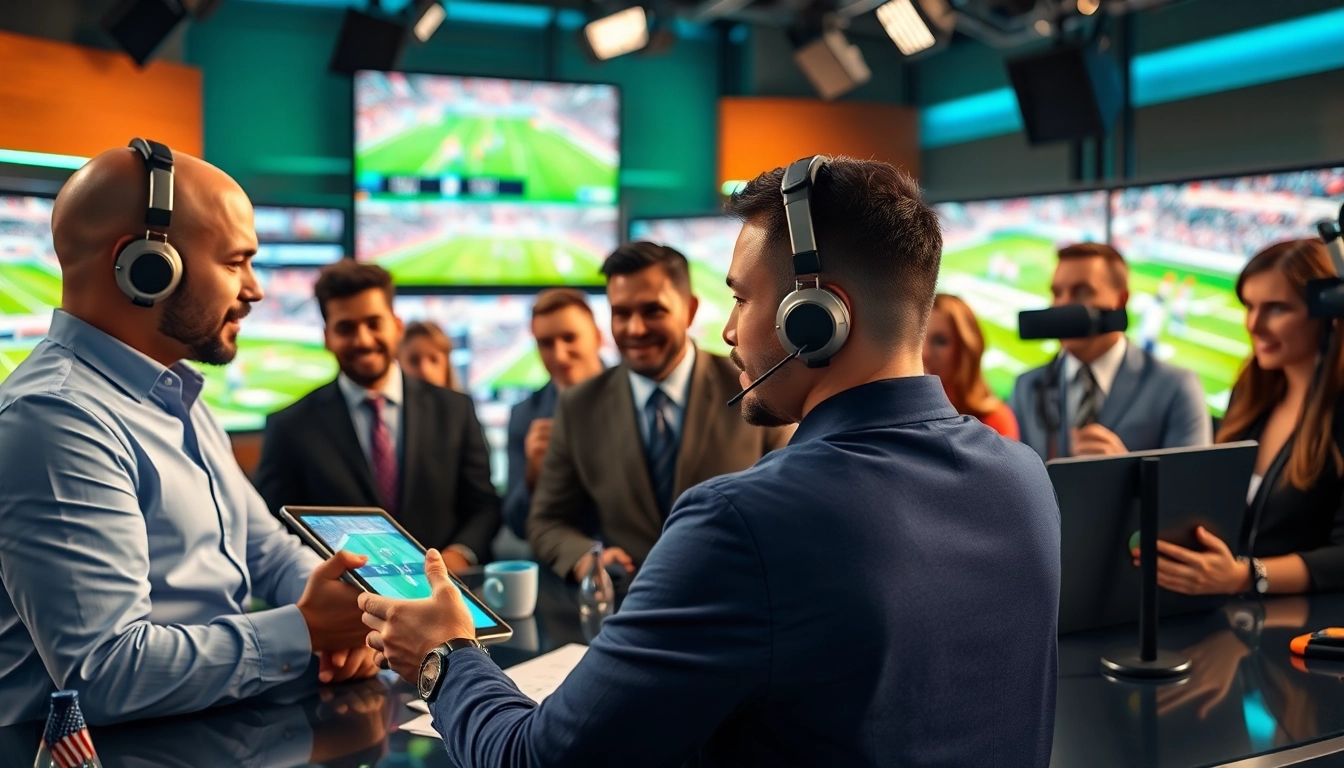
The Importance of Sports Broadcasting in Modern Media
In the ever-evolving landscape of media, Sports Broadcasting holds a pivotal position. It not only entertains millions of fans worldwide but also informs, engages, and shapes the perception of sports events. This sector has transcended traditional boundaries, becoming a vital component of global culture and communication.
Understanding Sports Broadcasting
Sports broadcasting encompasses the dissemination of live or recorded sports events through various media channels, including television, radio, and online streaming platforms. This sector is characterized by a unique blend of storytelling, real-time reporting, and entertainment. Unlike straightforward news reporting, sports broadcasting thrives on excitement, drama, and audience engagement.
The Role of Technology in Sports Broadcasting
Technology plays an essential role in the evolution of sports broadcasting. Innovations such as high-definition (HD) and ultra-high-definition (UHD) broadcasting, remote production techniques, and advanced graphics have transformed the viewer experience. Moreover, technologies like augmented reality (AR) and virtual reality (VR) are increasingly being utilized to provide immersive experiences. For instance, AR graphics can enhance live broadcasts by highlighting key player statistics or drawing attention to specific game strategies.
Current Trends in Sports Broadcasting
The landscape of sports broadcasting is dynamically shifting. Current trends indicate a growing demand for digital streaming services, which provide flexibility and numerous choices for viewers. Platforms like subscription-based services and social media channels are gaining prominence, reflecting viewer preferences for on-demand content. Additionally, the use of analytics for personalized content delivery is becoming common, allowing broadcasters to cater to specific audience interests effectively.
Key Skills for Sports Broadcasters
To excel in sports broadcasting, professionals must harness a specific set of skills. These skills not only enhance their on-air presence but also ensure that the broadcasts are engaging and informative.
Communication Skills for Effective Broadcasting
Effective communication is the cornerstone of successful sports broadcasting. Broadcasters must convey information clearly and persuasively while engaging with their audience. They should possess a strong command of language, as well as the ability to adapt their tone and style based on the event's atmosphere—whether it's a thrilling finish or a solemn occasion.
Research and Preparation Techniques
Thorough research and meticulous preparation are crucial for any sports broadcaster. Understanding the teams, players, and historical contexts surrounding an event allows broadcasters to provide richer narratives. Preparation might involve analyzing statistics, reviewing past performances, or studying audience demographics.
Navigating Live Broadcast Environments
Live broadcasting is an unpredictable environment that requires quick thinking and adaptability. Broadcasters need to manage time constraints, interact with hosts and analysts, and remain composed amidst unforeseen challenges, such as technical difficulties or unexpected events on the field. A calm demeanor is essential to reassure viewers despite chaotic circumstances.
Best Practices in Sports Broadcasting
To captivate and retain viewers, sports broadcasters should adopt best practices that elevate their storytelling and engagement efforts.
Creating Compelling Storylines
Every match or sporting event tells a story. Skilled broadcasters recognize the importance of building storylines that resonate with viewers. This might involve highlighting rivalries, player narratives, or historical milestones within the context of the event. Crafting these narratives can evoke emotional responses, consequently enhancing viewer attachment to the broadcast.
Engaging with the Audience in Real-Time
Real-time audience engagement has become increasingly important in sports broadcasting. Broadcasters can enhance interactivity through live polls, social media shoutouts, or by taking questions from viewers. By fostering a two-way communication channel, broadcasters can make their audience feel like an integral part of the experience.
Utilizing Social Media for Enhanced Reach
Social media platforms are critical in expanding the reach of sports broadcasting. By promoting content through these channels, broadcasters engage with audiences where they spend significant time online. Sharing behind-the-scenes footage, highlights, or snippets from live events can create buzz and draw viewers toward the broadcasts.
Challenges Faced in Sports Broadcasting
While the field of sports broadcasting is exhilarating, it is also fraught with challenges that broadcasters must navigate with agility and professionalism.
Handling Technical Issues on Air
Technical glitches can occur at any moment during a live broadcast. Broadcasters must remain composed and resourceful, employing strategies to cover up or address these issues without alarming viewers. This might involve pivoting to pre-recorded content, engaging in discussions with co-hosts or analysts, or utilizing graphics to maintain viewer interest.
Maintaining Professionalism Amid Controversy
Sports events can sometimes lead to controversies, requiring broadcasters to exercise caution and professionalism. Navigating sensitive topics, such as player conduct, organizational decisions, or societal issues, requires a balanced approach to keep the coverage both responsible and engaging without compromising journalistic integrity.
Addressing Audience Feedback Constructively
Audience feedback, both positive and negative, is integral to the success of sports broadcasting. Broadcasters must learn to interpret feedback as constructive criticism rather than personal attacks. Utilizing feedback to refine their performance and improve content can lead to enhanced viewer satisfaction and loyalty.
Metrics for Success in Sports Broadcasting
Measuring success in sports broadcasting involves various metrics that reflect viewer engagement, reach, and overall effectiveness.
Analyzing Viewer Engagement and Retention
Viewer engagement metrics—such as viewership ratings, average watch times, and audience retention—can provide insights into how well broadcasts resonate with the audience. High engagement often translates to successful content, prompting broadcasters to refine their strategies based on viewer behavior.
Measuring Social Media Impact
Social media analytics can offer valuable data regarding the impact of broadcasting efforts. Metrics such as shares, likes, and comments can illustrate the audience's connection to content. By analyzing this data, broadcasters can understand which aspects of their coverage are most appealing and adjust their approach accordingly.
Feedback Loops for Continuous Improvement
Establishing feedback loops is crucial for the continual growth of sports broadcasting. By regularly soliciting viewer feedback and analyzing engagement metrics, broadcasters can identify areas for improvement, paving the way for innovative content and engaging broadcasts.
Frequently Asked Questions about Sports Broadcasting
What is sports broadcasting?
Sports broadcasting refers to the coverage of sports events through various media platforms, including TV, radio, and online streaming. This field combines storytelling and real-time reporting to connect with audiences.
What skills do sports broadcasters need to succeed?
Key skills include strong communication, research abilities, adaptability in live environments, and the ability to create engaging narratives. These skills help broadcasters connect with their audience effectively.
How does technology impact sports broadcasting?
Technology enhances broadcast quality and allows real-time analytics. Innovations like augmented reality and virtual reality provide immersive experiences for audiences, enriching the broadcasting landscape.
What are common challenges in sports broadcasting?
Broadcasters face technical difficulties and must manage unexpected events. Additionally, they need to maintain professionalism during controversies and find ways to keep the audience engaged during less exciting moments.
How can sports broadcasters measure their success?
Success can be measured through viewer ratings, social media engagement, and audience feedback. Analyzing these metrics helps broadcasters understand their performance and make improvements where necessary.