Understanding the Australian Climate for Cannabis Cultivation
Australia's diverse climate presents both opportunities and challenges for cannabis cultivation. With various climate zones ranging from tropical in the north to temperate in the south, understanding the local weather conditions is crucial for selecting the right marijuana seeds for Aussie climate. Additionally, the unique geographical features across states further influence how cannabis plants thrive, making it essential for growers to adapt their techniques accordingly.
Climate Zones and Their Implications for Marijuana Growth
Australia encompasses several climate zones, including tropical, subtropical, desert, and temperate regions. Each zone has distinct characteristics that affect cannabis growth:
- Tropical Regions: Found in northern territories, these areas experience warm temperatures and high humidity, ideal for certain strains like Durban Poison.
- Subtropical Areas: Characterized by hot summers and mild winters, regions like Queensland are well-suited for autoflowering strains that mature quickly.
- Temperate Zones: Cooler climates in states such as Tasmania require strains that can endure lower temperatures while still yielding high-quality buds.
- Desert Regions: Hot days and cold nights can be challenging, necessitating strains that are drought-resistant and can handle temperature fluctuations.
Common Weather Patterns Affecting Seed Selection
Weather patterns play a significant role in cannabis cultivation, particularly the amount of rainfall, humidity, and temperature variability. Growers must consider:
- Rainfall: Excessive moisture can lead to mold and pest issues, making drought-resistant strains a priority in wetter regions.
- Humidity Levels: High humidity can be beneficial for tropical strains, but growers in drier regions should select varieties that thrive in low humidity.
- Temperature Variability: Cannabis plants are sensitive to temperature fluctuations, so strains that can tolerate heat spikes or cold snaps are essential for robust growth.
Understanding Soil Types and Their Impact on Cannabis
Soil is another critical factor influencing cannabis cultivation in Australia. Different soil types (sandy, clay, loamy) affect water retention, nutrient availability, and root development. Growers should:
- Conduct soil tests to determine pH and nutrient levels.
- Amend soil with organic matter to improve structure and fertility.
- Select strains that are compatible with local soil conditions for optimal growth.
Choosing the Right Marijuana Seeds for Aussie Climate
Top Strains Suited for Diverse Australian Environments
Choosing the appropriate strain can significantly impact yield and quality. Some top strains recommended for different Australian climates include:
- Godzilla Cookies Auto: This strain is ideal for tropical climates as it matures quickly and handles stress well.
- Durban Poison: A legendary landrace strain, it thrives in warm conditions and is naturally resistant to pests, making it perfect for Sydney's long summers.
- Blue Dream: Known for its resilience, this hybrid can adapt to varying climates across Australia with consistent yields.
- White Widow: This balanced hybrid tolerates cooler temperatures and is suitable for regions with temperate climates.
Autoflower vs. Feminized Seeds: What Works Best?
Understanding the differences between autoflower and feminized seeds can help growers make informed decisions:
- Autoflower Seeds: These seeds begin to flower automatically after a set period, making them ideal for quick harvests, especially in regions with shorter growing seasons.
- Feminized Seeds: These are engineered to produce only female plants, maximizing the yield of buds since males do not produce flowers.
- Choosing between the two depends on the climate and the grower's specific goals—whether seeking rapid growth or higher-quality yields.
Expert Recommendations for High-Yield Strains
To maximize yields, experts suggest selecting strains known for their robust growth and resilience. Consider:
- Green Crack: A high-yielding strain that flourishes in sunny locations, making it suitable for many Australian climates.
- Super Lemon Haze: This strain is particularly productive and prefers warmer environments.
- Northern Lights: Well known for its adaptability, this strain can thrive in cooler conditions while delivering impressive yields.
Best Practices for Growing Marijuana in Australia
Soil Preparation Techniques for Optimal Growth
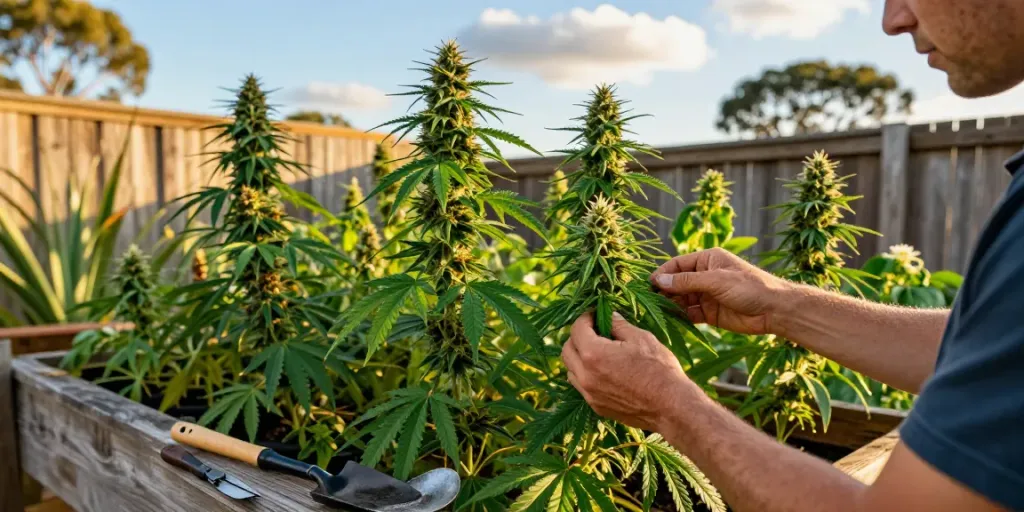
Preparing the soil properly is fundamental for successful cannabis cultivation. Growers should:
- Test soil to check nutrient levels and pH balance.
- Incorporate compost or organic fertilizers to enrich the soil.
- Ensure good drainage to prevent root rot.
Watering and Nutrient Management Essentials
Effective watering and nutrient management can greatly influence cannabis yield:
- Watering Schedule: Water deeply but less frequently to encourage deep root growth.
- Nutrient Regimen: Utilize a balanced nutrient approach, adjusting according to the growth stage of the plant (vegetative vs. flowering).
Pest and Disease Control Strategies
Pest and disease management is crucial in maintaining healthy cannabis plants. Effective strategies include:
- Regular inspections for signs of pests or diseases.
- Implementing natural pest deterrents and incorporating beneficial insects.
- Adopting integrated pest management (IPM) techniques to minimize chemical usage.
Timing Your Planting for Maximum Harvest
Seasonal Planting Tips for Different Regions
Planting times can vary significantly based on Australian regions:
- Tropical Regions: Plant in spring to take advantage of the warm climate.
- Temperate Areas: Optimal planting occurs during late spring after the last frost.
- Deserts: Direct planting in early spring helps plants establish before extreme heat sets in.
How to Extend the Growing Season
To extend the growing season, growers may:
- Use greenhouses to create controlled environments.
- Employ row covers to protect young plants from sudden temperature drops.
- Opt for early-flowering strains that can be harvested before the first frost.
Harvest Timing: Signs of Ripeness and Readiness
Knowing when to harvest is critical for quality. Look for:
- Trichome color change from clear to cloudy or amber.
- Yellowing of fan leaves as the plant focuses its energy on bud development.
- Overall bud density and firmness as indicators of optimal maturity.
Future Trends in Cannabis Cultivation in Australia
Innovations in Seed Genetics for 2026 and Beyond
As the cannabis industry evolves, advancements in seed genetics are expected to lead to:
- Strains with higher cannabinoid profiles tailored to specific climates.
- Molecular breeding techniques aimed at enhancing disease resistance.
- Development of strains capable of flourishing under extreme environmental conditions.
Environmental Considerations for Sustainable Growth
Future cannabis cultivation practices must prioritize sustainability by focusing on:
- Water conservation techniques to address resource scarcity.
- Organic growing practices that minimize environmental impact.
- Implementing renewable energy sources to power growing facilities.
Legal Changes Impacting Cannabis Cultivation in Australia
The evolving legal landscape for cannabis in Australia will likely affect cultivation practices. Growers should stay informed about:
- New regulations around cultivation licenses and seed sales.
- Shifts in public policy that may influence market access.
- The impact of legalization on community and agricultural practices.
What are the best strains for hot Australian summers?
In hot climates, strains like Godzilla Cookies Auto and Durban Poison perform exceptionally well due to their resilience to heat and humidity.
How do soil conditions affect cannabis growth in Australia?
Soil conditions significantly impact nutrient availability and root development, making it essential for growers to select the right amendments and strains suited for their specific soil type.
What are the differences between autoflower and feminized seeds?
Autoflower seeds flower based on age, while feminized seeds are genetically modified to ensure only female plants, optimizing bud production.
When is the best time to plant marijuana seeds in Australia?
General guidelines suggest planting in spring, but specific timing can vary widely depending on the region and local climate conditions.
How can I maximize my cannabis yield?
Maximizing yield involves selecting high-yield strains, ensuring optimal nutrient management, and adhering to best growing practices like pest control and proper watering techniques.