
Understanding LSO Weed: The Basics
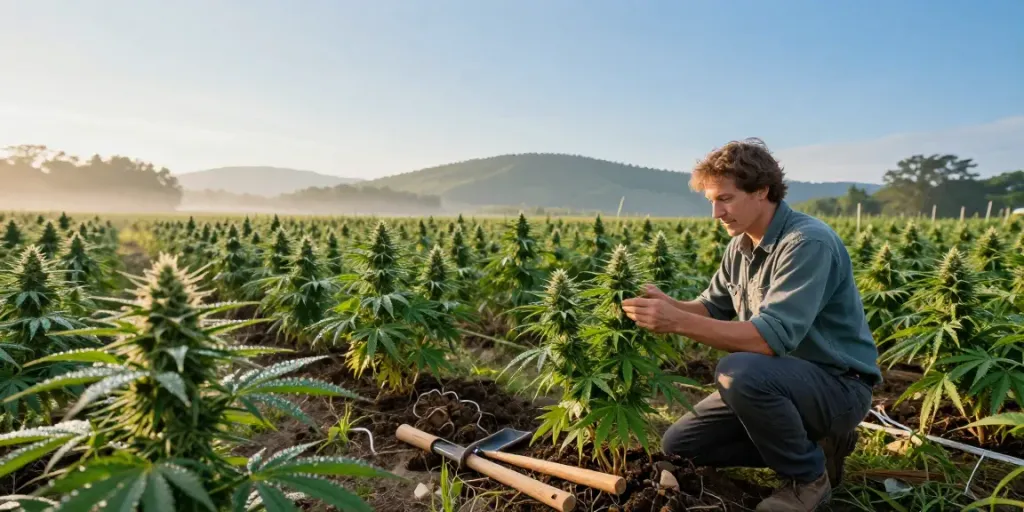
In the ever-evolving world of cannabis cultivation, the term "LSO weed" is gaining traction among growers and enthusiasts alike. Short for Living Soil Organic, LSO refers to a methodology that focuses on nurturing plants within a biologically active soil ecosystem. This approach is not merely about avoiding chemicals; it's about creating a thriving environment that bolsters plant health and flavor. When exploring options, lso weed encapsulates a holistic approach to cannabis that prioritizes sustainability and quality.
What Does LSO Mean in Cannabis?
LSO, or Living Soil Organic, emphasizes cultivating cannabis in a living, dynamic soil system. Unlike conventional weed grown in inert mediums, LSO weed relies on rich, biologically active soil populated with beneficial microorganisms. These microbes play a crucial role in breaking down organic matter, thus supplying cannabis plants with essential nutrients in a natural and sustainable manner. The result is a product that not only exhibits enhanced flavor profiles but also offers more potent effects.
The Importance of Living Soil in Cannabis Cultivation
Living soil acts like a natural ecosystem, teeming with life. Beneficial bacteria and fungi form symbiotic relationships with the plant roots, aiding in nutrient absorption and enhancing the plant's resilience against pests and diseases. This contrasts sharply with traditional methods that often employ synthetic fertilizers, which can deplete soil health over time and create a number of ecological issues. By fostering a rich microbial network, LSO cultivation ensures that the soil remains healthy and productive for future harvests.
How LSO Weed Differs from Conventional Cannabis
One of the key differences between LSO weed and conventionally grown cannabis is the absence of synthetic inputs in the former. While traditional growers often rely on chemical fertilizers to boost yields, LSO growers prioritize the natural processes of their soil. This means that LSO weed typically features higher terpene levels, resulting in more complex flavor profiles and aromas. Moreover, the natural cultivation methods associated with LSO can lead to fewer environmental toxins entering the ecosystem, making it a more sustainable choice overall.
The Benefits of Choosing LSO Weed
Enhanced Flavor Profiles and Potency
One of the standout features of LSO weed is its ability to produce more nuanced flavor profiles than conventional cannabis. This is primarily due to the diverse array of microbes present in living soils, which contribute to the plant's terpene development. Many users report that LSO strains are not only more aromatic but also deliver a richer and more complex taste experience. Additionally, because LSO weed is often grown without synthetic chemicals, the purity of the flavor is more pronounced, appealing to connoisseurs and casual users alike.
Health Benefits of Organic Cannabis
For health-conscious consumers, the organic nature of LSO weed presents several advantages. First and foremost, cannabis grown in a living soil ecosystem is free from chemical residues, which can be a concern with conventionally grown products. Furthermore, many users find that LSO cannabis tends to produce less anxiety and paranoia, often attributed to its more balanced cannabinoid profiles. The holistic approach to cultivation promotes not just healthier plants but also safer consumption for users.
Environmental Implications of LSO Cultivation
Growing cannabis using Living Soil Organics has significant positive implications for environmental sustainability. LSO cultivation methods actively enhance soil biodiversity rather than depleting it. This promotes water retention, reduces erosion, and contributes to the overall health of local ecosystems. Moreover, LSO practices often include composting and natural fertilizer applications, which minimize the carbon footprint associated with cannabis production while supporting regenerative agricultural practices.
Challenges in LSO Weed Cultivation
Common Misconceptions about Living Soil
Despite its many benefits, LSO cultivation is often misunderstood. One common misconception is that growing cannabis in living soil is more complicated or time-consuming than conventional methods. While it does require an initial investment in soil health and understanding of microbial interactions, many growers find that once established, LSO systems require significantly less ongoing maintenance compared to synthetic nutrient applications. This is a key aspect of LSO cultivation that leads to long-term sustainability.
Overcoming Obstacles in Organic Farming
Those new to LSO cultivation may face challenges in terms of pest management and nutrient imbalances. Unlike synthetic fertilizers, which provide instant gratification, organic farming necessitates a deeper understanding of the soil ecosystem and patience as the plants develop. Regular soil testing and amendments based on microbial activity can help mitigate these issues, allowing for a healthy growing environment. With experience, many growers find that these challenges are manageable and ultimately lead to superior product quality.
Maintaining Soil Health and Nutrient Balance
Maintaining the health of living soil is paramount in LSO cultivation. This involves not only monitoring nutrient levels but also ensuring a diverse ecosystem of microbes is present. It's important to avoid compaction and to regularly incorporate organic matter, such as compost or worm castings, to replenish nutrients. Crop rotation and cover cropping can also contribute to soil health while preventing pest outbreaks. By prioritizing soil health, growers can create a sustainable cycle of cultivation that benefits both plants and the environment.
Practical Tips for Cultivating LSO Weed
Step-by-Step Guide to Building Living Soil
Creating your own living soil involves several steps that can enhance the health and fertility of your cannabis plants. Start with a base of quality organic materials, including compost, worm castings, and aeration amendments like perlite. Combine these elements in a ratio that suits the plants being grown. It's crucial to introduce a variety of microbial inoculants that will help kickstart the soil ecosystem. Regularly monitor moisture levels and the microbial activity through visual inspections and soil tests to ensure optimal conditions for growth.
Choosing the Right Strains for LSO Cultivation
Not all cannabis strains are equally suited for LSO cultivation. When selecting strains, opt for those known for their resilience and adaptability to organic farming conditions. Indica and hybrid strains often perform well due to their hardiness. However, sativa strains can also thrive if they are properly managed within a living soil system. Many growers advocate for trial and error to discover which strains produce the best results in their specific environments.
Feeding and Caring for Your Cannabis Plants
Feeding cannabis in a living soil system is about building a lasting relationship between the plants and their soil environment. Instead of relying on synthetic nutrients, focus on maintaining soil health through organic amendments. Regularly adjust your feeding strategy based on the plants' visual cues and soil tests. Integrating natural fertilizers and ensuring a healthy microbial environment will lead to more vigorous growth and higher yields, allowing your plants to thrive without compromising their quality.
The Future of LSO Weed: Trends and Insights for 2026
Emerging Innovations in Organic Cannabis Practices
The landscape of LSO weed cultivation is evolving, with new technologies and practices emerging to enhance organic cannabis farming. Soil health monitoring technology, for example, allows growers to track microbial activity and nutrient levels in real-time, leading to more informed decision-making. Additionally, advances in breeding techniques are producing strains specifically tailored for living soil conditions, enhancing both yield and flavor profiles.
Market Predictions for LSO Weed Demand
As consumers continue to prioritize organic and sustainably-sourced products, the demand for LSO weed is expected to grow significantly in the coming years. Market analysts predict a shift towards premium organic cannabis products, with many consumers willing to pay a premium for the quality and sustainability of LSO strains. This trend is likely to encourage more growers to adopt organic practices, thereby enriching the overall cannabis market as it shifts toward eco-consciousness.
Expert Insights on the Future of Cannabis Cultivation
Leading experts in the field of cannabis cultivation emphasize the importance of sustainability and organic practices for the future of the industry. With increasing scrutiny on environmental practices, many believe that growers who invest in methods like LSO will not only contribute positively to the planet but also resonate with a growing cohort of health-conscious consumers. Emphasizing organic cultivation will likely become more than just a trend; it will become a standard expectation.
What is the Best Way to Store LSO Weed?
Storing LSO weed properly is crucial to preserving its unique flavors and potency. The best practices include keeping the product in a cool, dark, and airtight container to avoid exposure to light and moisture, which can degrade quality over time. Glass jars are typically preferred for their airtight seal, while keeping them in a temperature-controlled environment can further prolong the longevity of the cannabis. Additionally, avoiding prolonged exposure to oxygen will help maintain cannabinoid levels.
How Does LSO Weed Impact THC Levels?
Interestingly, the cultivation method can influence the THC levels of the final product. LSO weed, with its balanced nutrient availability and richer soil ecology, often leads to more robust cannabinoid profiles. Many growers report that their LSO strains tend to have higher THC levels compared to those cultivated under conventional methods, thanks to the natural processes that promote healthy plant development and expression of cannabinoids.
Are There Any Legal Restrictions on LSO Weed?
Legal restrictions surrounding cannabis, including LSO varieties, vary significantly from one region to another. In many states where marijuana is legal, there are still regulations governing organic labeling and cultivation practices. It’s essential for growers and consumers alike to stay informed about local laws to ensure compliance. This can include checking for certifications and quality standards that apply specifically to organic cannabis which might affect how LSO weed is sold and distributed.